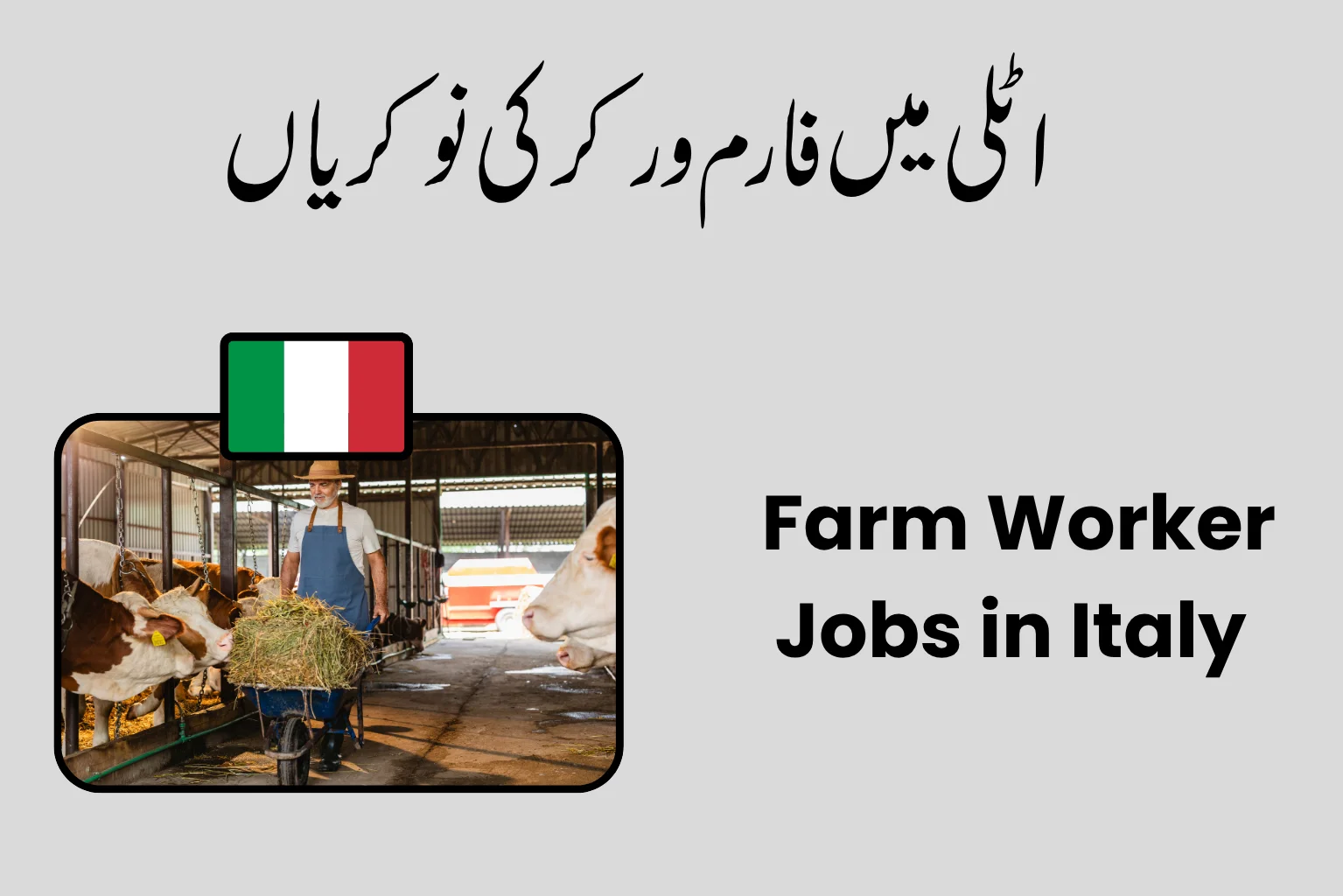
Farm Jobs in Italy are among the most popular seasonal employment opportunities for foreign workers in 2026. Italy’s agricultural sector is one of the largest in Europe, producing fruits, vegetables, olives, grapes, and dairy products that are exported worldwide.
Due to ongoing labor shortages in rural regions, Italian farms regularly hire international workers for planting, harvesting, packing, and general farm maintenance. These jobs are usually covered under the Decreto Flussi seasonal work visa program, which allows non-EU citizens to work legally in Italy.
This guide explains farm jobs in Italy, including salary, job roles, visa requirements, eligibility, and how to apply.
Why Farm Jobs Are in Demand in Italy
Agriculture is a key part of Italy’s economy, especially in southern and central regions. Demand for farm workers is increasing due to:
- Shortage of local agricultural labor
- Expansion of organic farming
- High demand for export crops
- Seasonal harvest cycles
- Aging farming population
Regions like Puglia, Sicily, Lazio (Rome), Tuscany, and Campania offer the most farm job opportunities.
Types of Farm Jobs in Italy
1. Fruit and Vegetable Picker
- Harvesting crops like tomatoes, grapes, apples, and oranges
- Sorting and collecting produce
- Working in seasonal harvest teams
2. General Farm Worker
- Planting seeds and crops
- Irrigation and watering fields
- Soil preparation and maintenance
3. Vineyard Worker
- Grape harvesting
- Pruning vines
- Supporting wine production
4. Olive Farm Worker
- Olive picking
- Tree maintenance
- Sorting harvested olives
5. Livestock Farm Worker
- Feeding animals
- Cleaning barns
- Assisting in dairy production
Salary of Farm Jobs in Italy (2026)
| Job Role | Salary (EUR/month) |
|---|---|
| Farm Worker | €1,100 – €1,700 |
| Fruit Picker | €1,200 – €1,900 |
| Vegetable Picker | €1,200 – €2,000 |
| Vineyard Worker | €1,300 – €2,100 |
| Skilled Farm Worker | €1,500 – €2,300 |
Some farms also offer daily wages (€40–€60/day) or hourly pay (€8–€12/hour).
Job Responsibilities
Farm workers in Italy typically perform:
Field Work
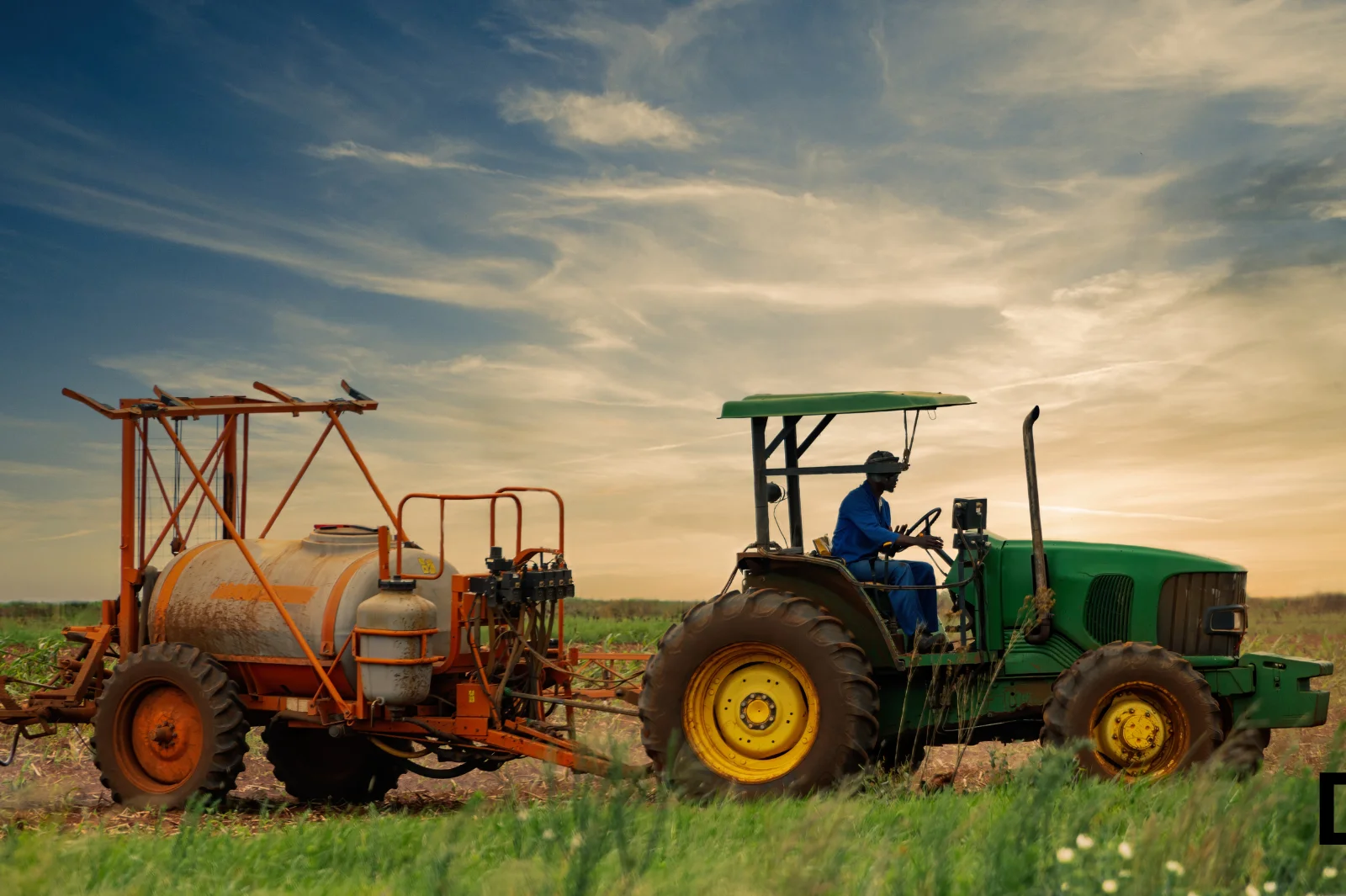
- Planting and harvesting crops
- Irrigation and watering fields
- Fertilizing soil
Harvesting Tasks
- Picking fruits and vegetables
- Sorting produce
- Packing goods for transport
Farm Maintenance
- Cleaning fields and equipment
- Supporting machinery use
- Maintaining farm tools
Working Conditions
Farm jobs are physically demanding and include:
- Outdoor work in all weather conditions
- Long working hours (6–10 hours daily)
- Seasonal workload peaks
- Repetitive manual tasks
- Early morning shifts during harvest season
Despite challenges, these jobs offer stable seasonal income and international experience.
Requirements for Farm Jobs in Italy
Basic Requirements
- Minimum age 18+
- Physically fit and active
- Ability to work outdoors
- Basic teamwork skills
Education
- No formal education required
- Basic literacy preferred
Experience
- Freshers are welcome
- Farming experience is an advantage
Visa Requirements for Farm Jobs in Italy
Foreign workers must apply under the Decreto Flussi seasonal work visa program.
Main Requirements
- Job offer from Italian employer
- Work permit approval (Nulla Osta)
- Valid passport
- Medical fitness certificate
- Clean criminal record
Visa Process Steps
Step 1: Get Job Offer
Employer in Italy offers farm job.
Step 2: Work Permit Approval
Employer applies for Nulla Osta.
Step 3: Apply for Visa
Submit application at Italian embassy.
Step 4: Travel to Italy
Start seasonal farm work after approval.
Benefits of Farm Jobs in Italy
- Legal work in Europe
- Visa sponsorship (seasonal program)
- Stable monthly income
- Overtime opportunities
- Free or low-cost accommodation (some farms)
- International work experience
- Possibility of contract renewal
Challenges of Farm Jobs
- Physically hard labor
- Seasonal employment
- Hot summer working conditions
- Language barrier in rural areas
- Limited long-term job security
Top Hiring Regions in Italy
- Sicily (fruit and citrus farms)
- Puglia (vegetable and olive farms)
- Lazio (Rome countryside farms)
- Tuscany (vineyards and wine production)
- Campania (tomatoes and mixed farming)
How to Apply for Farm Jobs in Italy
Step 1: Search Job Portals
- https://www.indeed.it
- https://www.linkedin.com
- https://www.jobsinitaly.com
- https://www.cliclavoro.gov.it
Step 2: Apply to Employers
- Contact farms directly
- Use agricultural recruitment agencies
- Submit CV with passport details
Step 3: Receive Job Offer
Employer provides contract for visa processing.
Step 4: Apply for Visa
Submit documents to Italian embassy.
Step 5: Travel and Start Work
After approval, travel to Italy and begin work.
Documents Required
- Valid passport
- CV / Resume
- Job offer letter
- Work permit (Nulla Osta)
- Police clearance certificate
- Medical certificate
- Passport photos
Best Time to Apply
- February–May (planting season jobs)
- August–October (harvest season jobs)
Applying early increases chances of selection.
Tips to Get Selected Faster
- Apply early before peak season
- Keep CV simple and clear
- Show physical fitness readiness
- Apply to multiple farms
- Learn basic Italian phrases
- Avoid fake agents
Frequently Asked Questions (FAQ)
1. Do farm jobs in Italy require experience?
No, most jobs are entry-level and include training.
2. What is the salary for farm workers?
Usually €1,100 to €2,300 per month depending on role.
3. Is accommodation provided?
Some employers offer free or low-cost housing.
4. Can foreigners apply?
Yes, but a seasonal work visa is required.
5. Is this permanent work?
No, most farm jobs are seasonal but renewable.
Conclusion
Farm Jobs in Italy 2026 provide a great opportunity for foreign workers seeking legal employment in Europe. With high demand in agriculture and seasonal hiring programs like Decreto Flussi, Italy continues to welcome international farm workers.
If you are physically fit and ready for outdoor work, farm jobs can be a strong entry point into the European job market. Prepare your CV, apply early, and target verified employers to secure your opportunity in Italy’s growing agricultural sector.