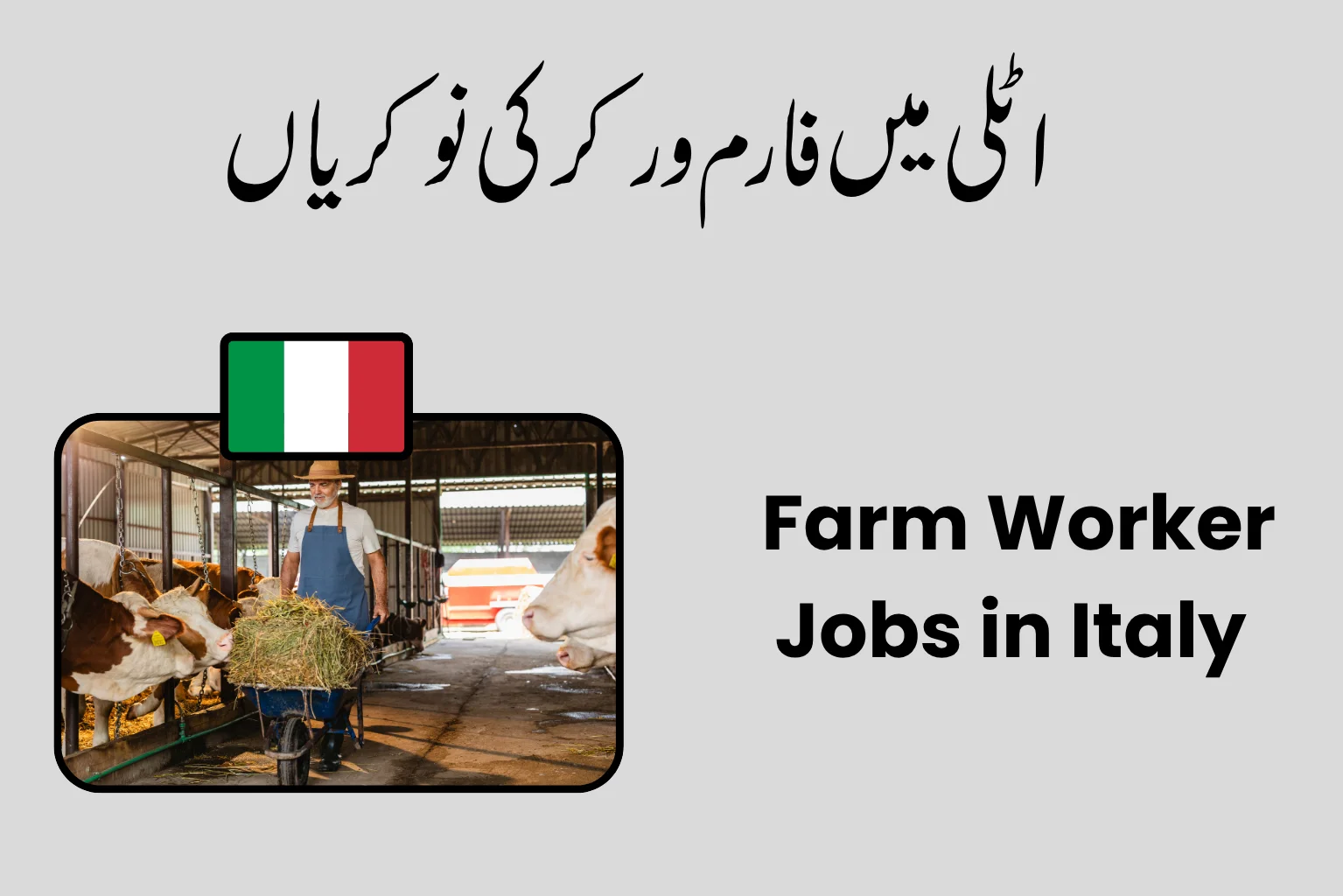
Farm worker jobs in Italy are among the most in-demand seasonal employment opportunities in Europe. In 2026, Italy’s agriculture sector continues to rely heavily on foreign labor for harvesting fruits, vegetables, olives, grapes, and other crops.
The farming industry in Italy is essential to the national economy, especially in regions like Sicily, Puglia, and Tuscany. Due to labor shortages, thousands of seasonal jobs are opened each year for non-EU workers under government quotas.
These jobs are attractive for foreigners because they offer legal work permits, basic accommodation, and stable monthly income, even without high education requirements.
Why Farm Worker Jobs in Italy Are a Good Opportunity
Farm work in Italy is one of the easiest entry points into Europe’s legal job market. It is especially suitable for unskilled and semi-skilled workers.
Key Benefits
- Legal seasonal work visa opportunities
- No higher education required
- Free or low-cost accommodation in many cases
- Monthly income from €1,200 to €2,200
- Chance to extend contract or switch to long-term jobs
- Experience in EU agricultural industry
Recent labor shortages have forced Italian farms to hire more foreign workers, especially during harvest seasons.
Types of Farm Worker Jobs in Italy (2026)
1. Fruit Picker / Vegetable Harvester
- Picking grapes, apples, oranges, tomatoes
- Seasonal (3–6 months)
- High demand during harvest periods
2. General Farm Laborer
- Planting seeds, irrigation, fertilizing crops
- Maintaining farm equipment
- Working in fields or greenhouses
3. Vineyard Worker
- Grape harvesting and pruning
- Working in wine-producing regions like Tuscany
4. Olive Farm Worker
- Olive picking and sorting
- Mostly in southern Italy
5. Dairy & Livestock Worker
- Feeding animals and cleaning barns
- Milking cows and basic farm maintenance
6. Packaging & Sorting Worker
- Sorting fruits and vegetables
- Packaging for export
Salary of Farm Worker Jobs in Italy
Farm salaries depend on region, experience, and type of job.
| Job Role | Monthly Salary (€) | Hourly Rate (€) |
|---|---|---|
| Fruit Picker | 1,200 – 1,600 | 8 – 11 |
| General Farm Worker | 1,400 – 1,900 | 9 – 12 |
| Vineyard Worker | 1,500 – 2,000 | 10 – 13 |
| Dairy Worker | 1,600 – 2,200 | 11 – 14 |
| Skilled Farm Technician | 2,200 – 3,000 | 14 – 18 |
In some cases, overtime and bonuses can increase total income significantly.
Eligibility Criteria for Farm Jobs in Italy
Farm work is accessible, but legal requirements must still be met.
Basic Requirements:
- Minimum age: 18+
- Physically fit for manual labor
- No serious criminal record
- Basic understanding of English or Italian (preferred)
For Foreign Workers:
- Valid passport
- Seasonal work visa approval (Decreto Flussi system)
- Job offer from an Italian employer
Advantage Skills:
- Farming or agricultural experience
- Tractor or machinery handling
- Basic Italian communication
Documents Required
Before applying, prepare the following documents:
- Valid passport (minimum 6 months validity)
- Passport-size photos
- Updated CV
- Job offer or contract from Italian employer
- Work visa application form
- Medical/travel insurance
- Accommodation proof (provided by employer in many cases)
- Police clearance certificate (sometimes required)
Italy Farm Work Visa (Seasonal Visa System)
Farm jobs are mostly covered under the Decreto Flussi system, which allows non-EU workers to enter Italy for seasonal work.
Key Features:
- Seasonal visa duration: up to 9 months
- Sponsored by employer
- Renewable in some cases
- Must be applied through official quota system
Process Overview:
- Employer applies for work authorization (Nulla Osta)
- Government approves quota slot
- Worker applies for visa at embassy
- Entry into Italy
- Apply for residence permit
Official visa information:
How to Apply for Farm Worker Jobs in Italy (Step-by-Step)
Step 1: Prepare Your CV
Keep it simple and highlight physical work experience.
Step 2: Search Job Portals
Use trusted platforms:
Step 3: Apply for Seasonal Farm Jobs
Focus on:
- Vineyards
- Fruit farms
- Olive farms
- Agricultural cooperatives
Step 4: Get Employer Sponsorship
Employer must apply for your visa authorization.
Step 5: Apply for Visa
Submit documents to Italian embassy in your country.
Step 6: Travel & Start Work
After approval, you can legally enter Italy and begin working.
Top Hiring Regions in Italy
Farm jobs are widely available in rural agricultural regions:
- Tuscany (vineyards & olives)
- Sicily (citrus fruits)
- Puglia (vegetables & olive farming)
- Emilia-Romagna (dairy & fruit production)
- Veneto (wine production)
Challenges of Farm Work in Italy
While opportunities exist, workers should also be aware of challenges:
- Physically demanding labor
- Seasonal and temporary contracts
- Language barrier (Italian helpful)
- Risk of exploitation in informal jobs
- Rural living conditions
⚠️ It is important to apply only through legal employers and official visa channels to avoid scams.
FAQs – Farm Worker Jobs in Italy
1. Can foreigners get farm jobs in Italy?
Yes, non-EU workers can apply through seasonal work visas under the Decreto Flussi system.
2. Do I need experience for farm work?
No, most jobs are entry-level and provide training.
3. What is the average salary for farm workers in Italy?
Between €1,200 and €2,200 per month depending on job type.
4. Is accommodation provided?
Many employers offer free or low-cost accommodation.
5. How long is the seasonal visa valid?
Usually up to 9 months per contract.
6. Can farm jobs lead to permanent residency?
In some cases, long-term contracts may help you apply for extended residence permits.
Conclusion
Farm worker jobs in Italy offer a realistic opportunity for foreigners seeking legal employment in Europe. With high demand in agriculture, flexible entry requirements, and government-backed seasonal visa programs, Italy remains a strong destination for farm labor in 2026.
Although the work is physically demanding, it provides stable income, international experience, and a legal pathway into the European job market.
If you are looking for a fresh start abroad, preparing your documents and applying through official job portals is the best first step toward securing a farm job in Italy.